Key Takeaway
- Nature as a Bridge: Biophilic design is about more than aesthetics. It is a vital link between our modern indoor lives and the natural world.
- Functional Beauty: Use air purifying plants like the Snake Plant to clean your environment while adding structural elegance to any room.
- Layered Styling: Create visual interest by varying plant heights and leaf textures to mimic the natural randomness of a forest.
- Wellness First: Incorporating greenery reduces stress and boosts focus. It makes a home a true sanctuary for mental health.
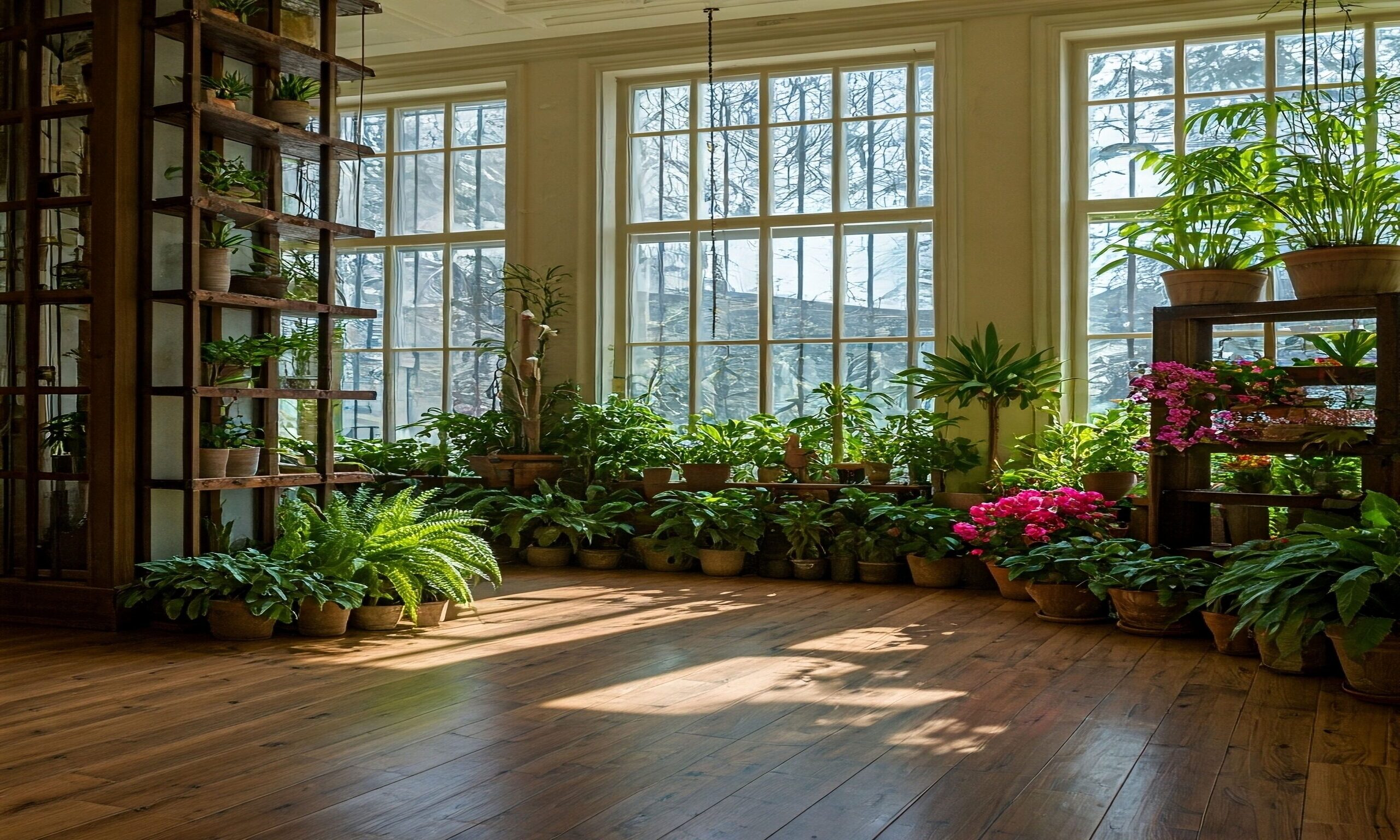
A home is more than four walls and a roof. It is a living organism that should nourish the people inside it. As we move through 2026, the most sophisticated interiors are not defined by expensive marble or gold leaf. They are defined by life. This is the heart of biophilic design. It is the art of bringing the wild indoors to heal the spirit and freshen the air.
Using indoor plants for home decor is the simplest way to transform a sterile room into a breathing sanctuary. When greenery surrounds a space, heart rates slow down and focus sharpens. There is a deep sense of belonging to the earth that only living things can provide. If it is time to turn a living space into a wellness retreat, here is a guide to the best botanical companions.
The Philosophy of the Living Room
Biophilic design is a fancy term for a simple human need. People belong in nature. Yet, most time is spent inside. By intentionally placing indoor plants for home decor, that gap begins to close. This is not just decorating. It is curating a life-support system for daily wellbeing.
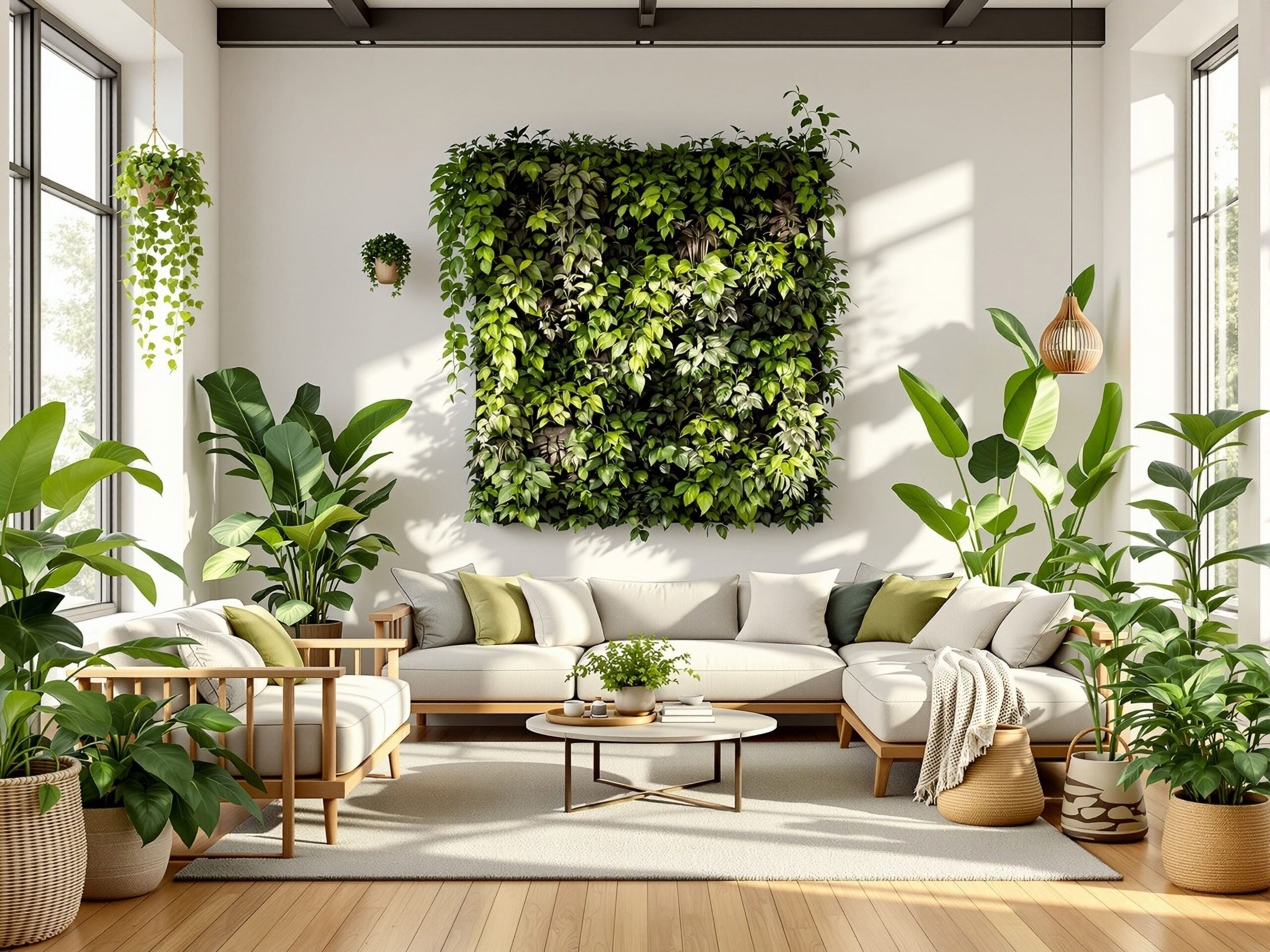
Plants do not just sit there looking pretty. They are active participants in health. They soften the hard lines of furniture and add a rhythmic energy to empty corners. Every leaf is a brushstroke of natural art that changes with the light.
1. The Sculptural Snake Plant
For those new to this world, the Snake Plant is a perfect starting point. It is a top choice for best indoor plants because it is incredibly resilient. Its stiff, sword-like leaves reach upward, creating a sharp, modern silhouette that fits any style.
Beyond its looks, it is one of the most powerful air purifying plants available. Most plants release oxygen during the day, but the Snake Plant keeps working through the night. This makes it an ideal choice for a bedroom. It stands like a silent guardian, filtering out toxins while the household sleeps.
2. The Graceful Peace Lily
There is a poetic softness to the Peace Lily. Its deep green leaves have a gentle droop, and its white blooms look like tiny flags of truce. It brings a sense of serenity to any space it inhabits, especially in areas meant for relaxation.
In terms of wellness, the Peace Lily is a powerhouse. It is famous for its ability to remove mold spores and harmful vapors from the air. It loves a bit of shade, making it ideal for those corners of a home that do not get direct sunlight. Just keep the soil moist, and it will reward the room with constant elegance.
3. The Lush Pothos
To feel like a home is part of a jungle, the Pothos is the go-to. Its vines grow with an incredible hunger for life. These can trail down from a high shelf or be trained to climb up a wall to create a living tapestry.
The Pothos is a gold standard for indoor plants for home decor because it is so versatile. It survives in low light and tells the owner exactly when it needs water by wilting slightly. Once it gets a drink, it perks right back up. It is a living reminder of resilience and growth.
4. The Architectural Fiddle Leaf Fig
The Fiddle Leaf Fig is a darling of the modern design world. Its large, waxy leaves look like they were carved by an artist. It acts as a focal point, drawing the eye and anchoring a room with its impressive height.
While it can be a bit moody about light and water, the payoff is worth the effort. It creates a sense of scale that smaller plants cannot match. Placing a Fiddle Leaf Fig in a sunny corner makes a bold statement about a commitment to biophilic design.
5. Styling Tips for a Botanical Gallery
Designing with plants is an art form. It is better not to just line them up like soldiers on a windowsill. Creating layers is the secret to a professional look.
- Vary the Heights: Use plant stands or stacks of books to raise some pots higher than others.
- Mix the Textures: Pair the fuzzy leaves of a Calathea with the smooth, shiny surface of a Rubber Tree.
- Choose the Right Vessel: Pots should reflect a personal style. Terracotta offers an earthy, rustic feel, while matte black ceramic looks sleek and contemporary.
6. Plants as Wellness Tools
The physical benefits of air purifying plants are great, but the mental benefits are just as strong. The act of caring for a living thing is grounding. Tending to plants becomes a form of moving meditation in a busy world.
In a space full of screens and digital noise, a plant is a quiet, analog presence. It grows slowly. It changes with the seasons. It teaches patience. Incorporating the best indoor plants into a workspace can even lower stress levels during a long day.
7. The Science of the Green Breath
Why does a room full of plants feel so much better? It is more than just psychology. Air purifying plants act as natural filters. They absorb carbon dioxide and common household chemicals like formaldehyde and benzene.
By choosing the right indoor plants for home decor, the chemistry of a home changes. It creates an atmosphere that supports the lungs and the brain. This is the ultimate goal of biophilic design: a home that breathes with its inhabitants.
Creating a Personal Sanctuary
Transforming a home into a green oasis does not have to happen overnight. Start with one or two best indoor plants and see how they change the energy of a room. Observe how the light hits their leaves at different times of the day.
A room without a plant often feels like a room without a soul. Greenery adds the final layer of texture that makes a house feel like a home. It is an investment in health, happiness, and timeless style.
FAQ Section
What are the best indoor plants for low light?
Snake Plants, ZZ Plants, and Pothos are excellent for rooms with little natural light. They are hardy and can thrive even in dim corners.
How do air purifying plants actually work?
Plants absorb toxins through their leaves and roots. They break these chemicals down and turn them into food, while releasing fresh oxygen back into the room.
How often should indoor plants be watered?
It depends on the plant, but the most common mistake is overwatering. Always check the soil first. If the top inch is dry, it is usually time for a drink.
Is biophilic design expensive to implement?
Not at all. It can start small with a few budget-friendly plants and reclaimed pots. The real value is in the intentional placement and care, not the price tag.
Can indoor plants for home decor help with sleep?
Yes. Plants like Lavender and Snake Plants improve air quality and provide a calming presence, which can lead to a deeper and more restful sleep.