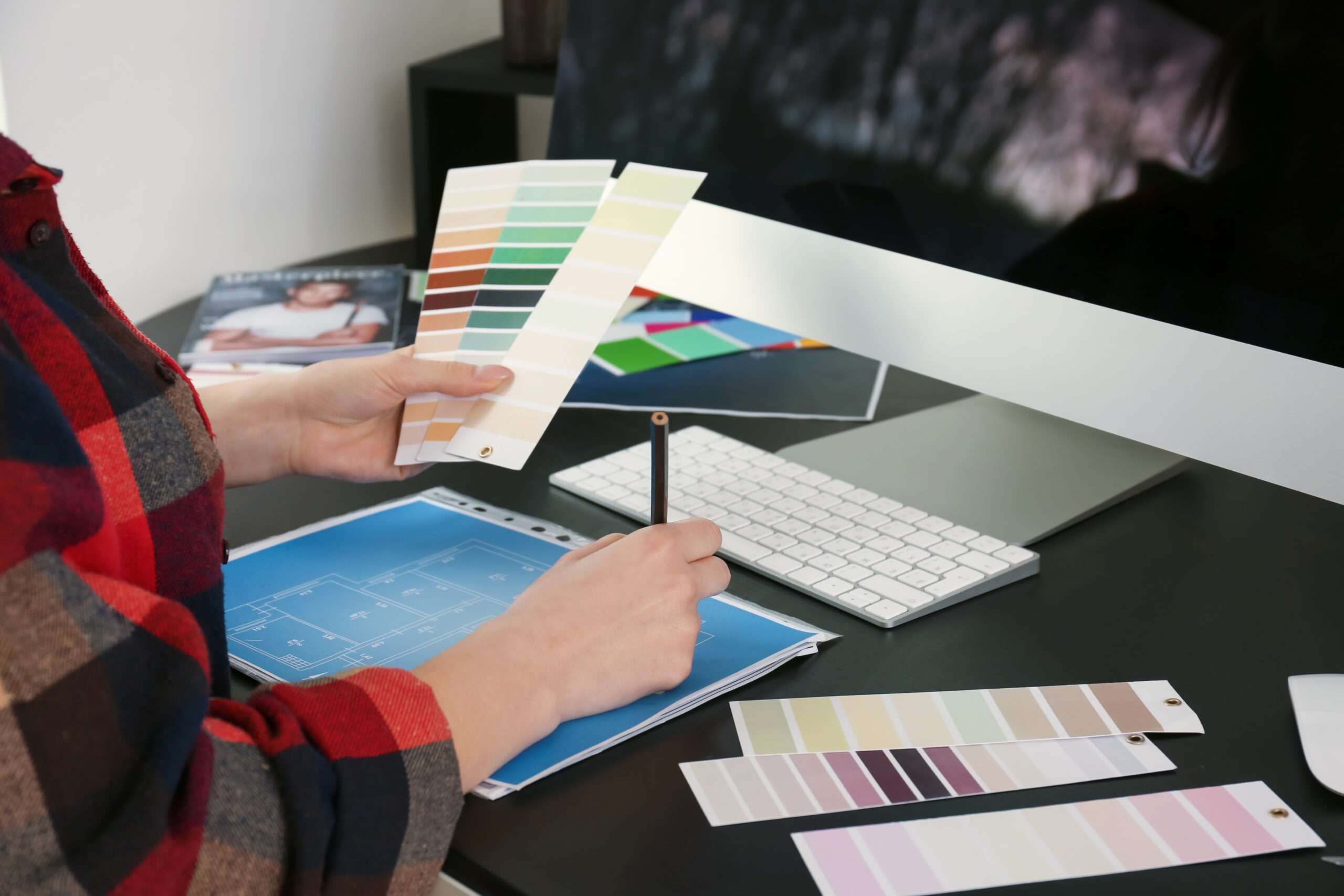
Interior designing is no longer a luxury reserved for glossy magazines. With endless online inspiration, anyone can curate an aesthetic mood board for their home. However, striking the right balance between symmetry and functionality requires a sophisticated eye and intellectual perspective. It takes trained judgment, spatial intelligence, and a designer’s eye. The million-dollar question, therefore, remains: whether to DIY or hire an interior designer. If you’re at a crossroads, deciding whether to take on your home’s interior yourself or partner with a professional, this guide will provide the clarity you need to make the right choice.
Key Takeaways
- Cosmetic vs. Structural: DIY is ideal for “surface-level” aesthetic updates; professionals are essential for spatial restructuring and technical integration.
- The Cost of Errors: While DIY saves on design fees, professional interior designers mitigate the risk of “expensive mistakes” like poor space planning or material wastage.
- Technical Mastery: High-moisture areas (kitchens/bathrooms) and custom joinery require the technical precision of a trained expert.
- The “Value of Time” Factor: Professional designers act as project managers, handling vendor logistics and quality control to ensure a seamless, stress-free execution.
When Should You Go The DIY Way?
A DIY approach is best suited for smaller, low-risk projects where the focus is on adding a personal touch rather than professional-grade execution.
Go for DIY if:
1. If you want minor, cosmetic changes like:
- Applying new color palettes
- Updating hardware accents like switches, handles, faucets, etc.
- Simple decor swatches like lighting fixtures.
2. You have prior experience in interior decor:
- You understand the fundamentals of interior architecture, including layout optimization, material selection, and color coordination.
- You are adept at project coordination and vendor management.
3. You have time:
- You possess the bandwidth to conduct deep research on your vision, coordinate with vendors, source materials, and provide daily project supervision.
4. You have a limited budget:
- If you cannot afford a full-scale professional interior designer at the moment, you can focus on integral updates for added functionality and aesthetics.
DIY Tip – Focus on refining essential elements first; master small-scale updates before attempting structural overhauls.
When Should You Hire An Interior Designer?
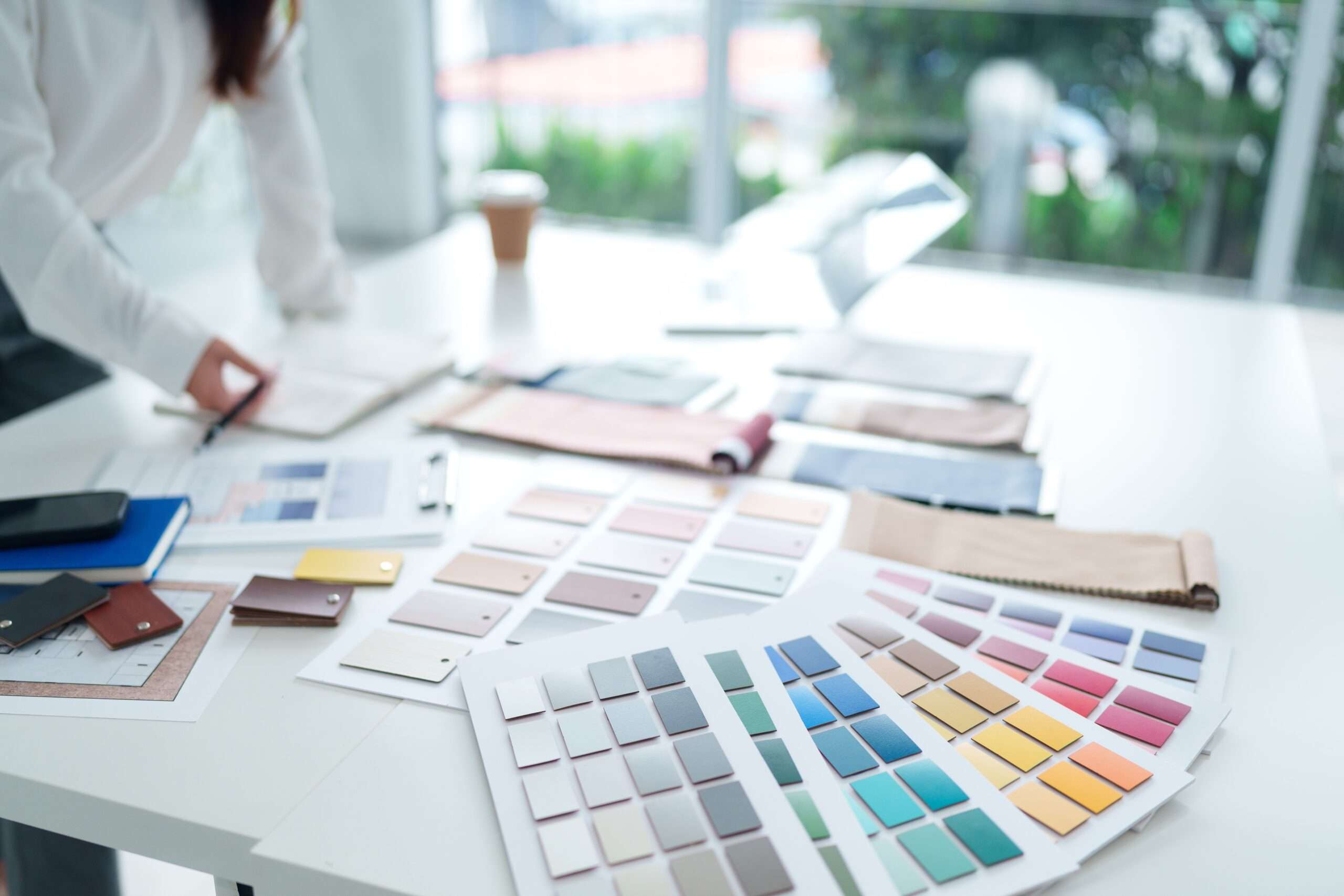
For complex architectural shifts and high-value transformations, a professional interior designer is indispensable. Hire an expert when:
1. You cannot afford expensive mistakes:
- While DIY is cost-effective, you may end up creating a mess fixing it, which can cost more than hiring a designer from the beginning. This may include buying oversized furniture, poor space planning, and miscalculating renovation costs. A professional interior designer initiates with a strategic plan and proper execution of the project, avoiding budget overruns.
2. When you are renovating your bathroom or kitchen:
- Designing a kitchen or a bathroom is a technically challenging renovation that demands expert planning. Only an expert designer can create the perfect layout to maximize space efficiency while ensuring proper placement of electrical and plumbing work.
- Add to that the selection of durable, premium-quality material suitable for wet areas, and you can understand that doing up a kitchen or bathroom requires both expertise and a fine eye for curation and ergonomic flow.
3. When you require built-in solutions:
- Seasoned designers are adept at precision planning, a technique imperative for creating built-in solutions or custom joinery, such as library shelving, window seats, integrated pantry systems, and recessed shower niches, to name a few.
4. When you want a cohesive and classic design
- Most DIY projects end up with desynchronized materials, mismatched finishes, and disjointed layouts. This is mainly due to the absence of a conceptual framework.
- Hire a designer if you are looking for a seamless look with perfectly balanced colors, materials, and textures. It will give your home interiors a timeless appeal, giving it both aura and utility.
5. When you don’t want any stress:
- Doing your home interior will require you to make countless decisions, coordinate with vendors, and manage timelines. Hiring an interior designer will save you from the stress of project management, and you can stay assured that an expert is handling every aspect of the project.
DIY Vs. Professional Designer
Conduct a comprehensive analysis before you make the final decision- whether you should opt for a DIY project or seek the services of a professional designer. These three critical aspects will help you make the best decision:
| Aspect | DIY Project | Professional Designer |
| Budget Considerations | Budget-friendly; save a big deal on professional fees. Risk of hidden costs due to a lack of knowledge about the best procurement networks. | Involves upfront costs, including design and project management fees. Know the best sources to procure materials at discounted prices. |
| Time and Effort | Challenging if hustling with work/family; a time-consuming process that requires your presence most of the time. | Saves you from hardship; keeps the project on schedule while taking charge of everything from conceptualisation to execution. |
| Technical Proficiency | May find it difficult to handle structural modifications, electrical/plumbing, and complex furniture designs. Simple mistakes can lead to chaos. | Seasoned experts who bring your vision to life in the best possible way and handle everyone involved in the process. |
Bottomline
Ultimately, the choice between DIY and hiring a professional designer depends on the scale of your ambition and the value of your time. While a DIY approach offers the creative satisfaction of a personal touch and initial cost savings for minor cosmetic updates, a professional designer provides the technical precision and industry connections necessary for high-stakes transformations. Whether you choose to pick up the brush yourself or partner with an expert, the goal remains the same: creating a space that feels like home. Assess your budget, evaluate your timeline, and be honest about your technical expertise. Once you have that clarity, you can move forward with confidence, knowing your home is in the right hands.
FAQs
1. Is it more expensive to hire an interior designer than to DIY?
While you pay a professional fee, an interior designer often saves you money by preventing costly errors and providing access to trade-only pricing on furniture and materials that are not available to the general public.
2. Can I hire a designer just for the planning phase?
Yes. Many professionals offer “Design Only” consultations where they provide the spatial layout, mood boards, and material specifications, leaving the execution and procurement to you.
3. What is the biggest risk of a DIY renovation?
The biggest risk is structural or technical failure—such as improper electrical load calculations or waterproofing issues in wet areas—which can lead to significant repair costs and safety hazards later on.