Key Takeaways
- Health First: Sustainable interior design prioritizes non-toxic interiors, reducing indoor pollutants like VOCs that affect respiratory health.
- Cost Efficiency: While some eco-friendly materials have higher upfront costs, they offer superior durability and significant energy savings over time.
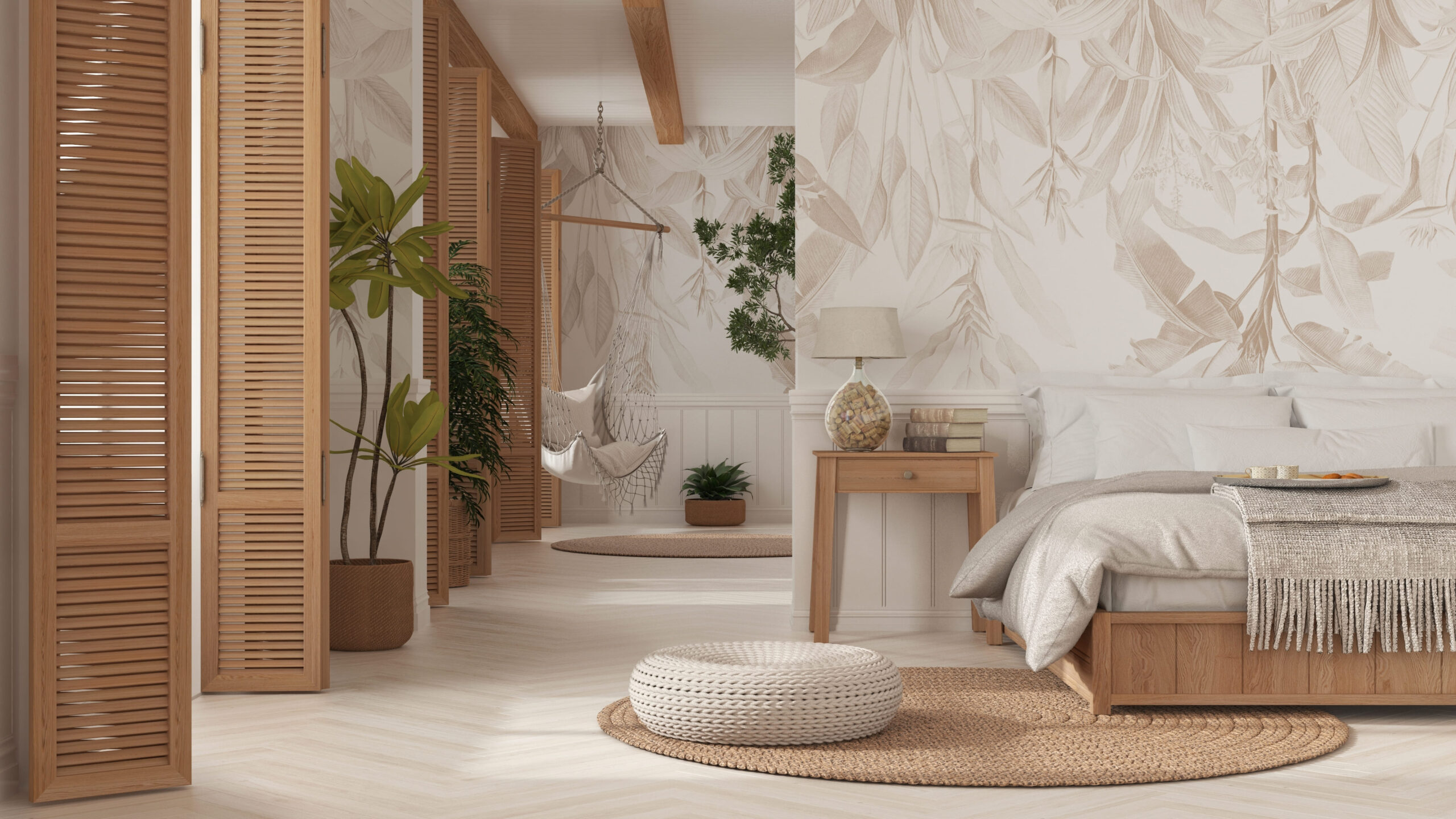
- Resource Consciousness: Shifting toward sustainable home design involves choosing renewable materials like bamboo, cork, or reclaimed wood.
- Low Barrier to Entry: You don’t need a full renovation; simple swaps like LED lighting and natural textiles make a massive difference.
For a long time, sustainable interior design was tucked away in a niche corner of the market, often associated with a specific “earthy” aesthetic that didn’t appeal to everyone. Fast forward to 2026, and the narrative has shifted completely. Sustainability is no longer just a buzzword or a fleeting trend; it has become the gold standard for modern living.
Choosing an eco-friendly home design is about more than just “saving the planet” in an abstract sense. It is a practical, forward-thinking approach to creating spaces that are durable, cost-effective, and—most importantly—safe for the people living in them.
If you are a beginner looking to dip your toes into sustainable home design, this guide will break down why it matters and how you can start transforming your space today.
The Real Value: Long-Term Cost Benefits
One of the biggest misconceptions about sustainable interior design is that it is prohibitively expensive. While some high-quality eco-friendly materials may have a higher upfront cost, they are almost always an investment that pays for itself.
- Energy Efficiency: Incorporating LED lighting, smart thermostats, and energy-efficient appliances can reduce utility bills by 25% to 50%.
- Durability: Sustainable products are built to last. A solid reclaimed wood table or a natural stone countertop doesn’t need to be replaced every five years like “fast furniture” made of particleboard.
- Property Value: In 2026, homes with green certifications and energy-efficient features command higher resale values and attract more discerning buyers.
By focusing on quality over quantity, you reduce the churn of buying and discarding items, ultimately keeping more money in your pocket over the life of your home.
The Hidden Perk: Health Advantages of Non-Toxic Interiors
We spend about 90% of our time indoors, yet indoor air is often two to five times more polluted than outdoor air. Much of this pollution comes from “off-gassing”—the release of volatile organic compounds (VOCs) from traditional paints, glues, and synthetic fabrics.
Switching to non-toxic interiors is a game-changer for your physical well-being. Using low-VOC or zero-VOC paints and natural finishes can significantly reduce headaches, respiratory issues, and allergic reactions.
Sustainable interior design also prioritizes biophilia—the human connection to nature. By maximizing natural light and incorporating indoor plants, you aren’t just decorating; you are lowering cortisol levels and boosting your productivity by up to 2%.
Sustainable Interior Design Ideas: Simple Starter Swaps
You don’t need to gut your entire house to make an impact. Sustainability is a journey of small, intentional choices. Here are some sustainable interior design ideas for those just starting out:
- The Paint Swap: Next time you refresh a room, choose mineral or plant-based paints. They are odorless, breathable, and much safer for kids and pets.
- The Bulb Swap: Replace every incandescent bulb with an LED. It’s the easiest way to slash energy consumption instantly.
- The Textile Swap: When buying new rugs, curtains, or bedding, look for organic cotton, linen, jute, or wool. These natural fibers are biodegradable and free from the microplastics found in polyester.
- The “Shop Your Home” Method: Before buying something new, see if an existing piece of furniture can be refinished, reupholstered, or repurposed.
Choosing the Right Eco-Friendly Materials
When you do need to buy new, the materials you choose define the footprint of your home. Look for items that are renewable, recycled, or responsibly sourced.
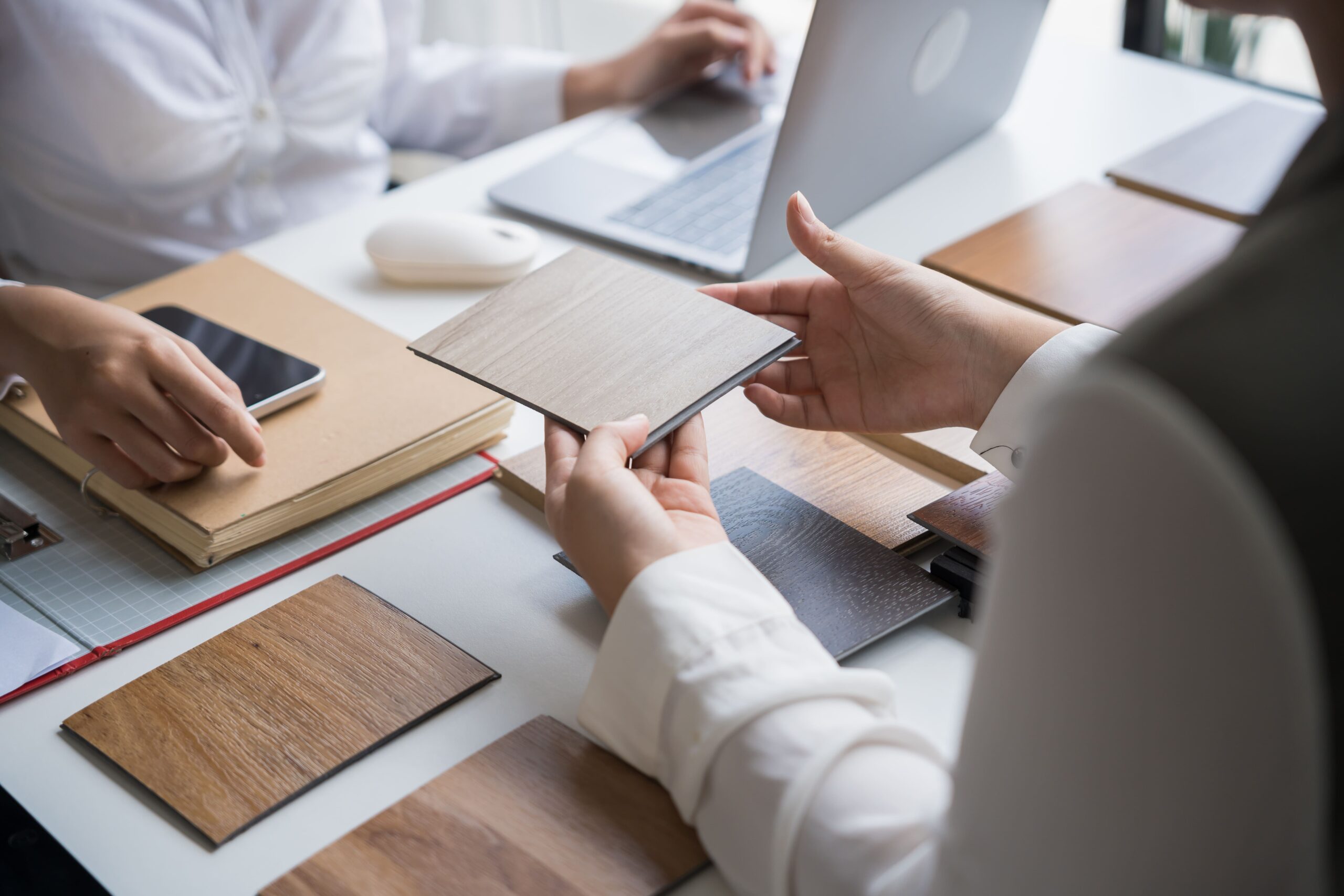
- Bamboo and Cork: These are incredibly renewable. Bamboo matures in just a few years, compared to decades for hardwoods, making it a stellar choice for flooring and cabinetry.
- Reclaimed Wood: This gives a second life to timber from old barns or factories, adding character and history to your home without cutting down a single new tree.
- Recycled Metal and Glass: These materials can be recycled infinitely without losing quality, making them perfect for light fixtures and hardware.
How to Start Your Sustainable Journey
Starting a sustainable home design project can feel overwhelming, but the key is to prioritize. Begin with the rooms where you spend the most time, like the bedroom or the kitchen.
Ask yourself three questions before every purchase:
- What is this made of, and is it non-toxic?
- How long will this last?
- Where was it made? (Sourcing locally reduces the carbon footprint of shipping).
Sustainable living isn’t about perfection; it’s about making better choices than you did yesterday. Whether it’s a vintage find from a local thrift store or a new set of linen sheets, every step counts toward a healthier home and a more resilient planet.
Frequently Asked Questions (FAQ)
1. Is sustainable interior design more expensive?
Initially, some eco-friendly materials can cost more due to ethical manufacturing. However, because they are more durable and energy-efficient, they save you money on replacements and utility bills in the long run.
2. What are the most important eco-friendly materials to look for?
Look for materials with certifications like FSC (Forest Stewardship Council) for wood, GOTS (Global Organic Textile Standard) for fabrics, and Greenguard Gold for low-emission furniture.
3. How do I know if a product is truly non-toxic?
Check for labels that specify zero-VOC or low-VOC. Avoid products containing formaldehyde, phthalates, or flame retardants, which are common in mass-produced foam sofas and carpets.
4. Can I practice sustainable home design on a budget?
Absolutely. The most sustainable item is the one you already own. Upcycling, buying second-hand, and simply buying less are the most budget-friendly ways to be eco-conscious.