Key Takeaway
- Earth-First Materials: Prioritize bamboo, cork, and reclaimed timber to create a foundation that breathes with the planet.
- The Art of Longevity: Invest in artisanal craftsmanship over mass-produced items to ensure your home ages like a fine wine.
- Invisible Health: Use low VOC finishes and natural textiles to curate an indoor atmosphere that is as pure as a mountain breeze.
- Resource Wisdom: Integrate smart technology and water-saving fixtures to blend modern convenience with deep environmental respect.
Design is more than just placing a chair in a corner. It is a silent conversation between your soul and your surroundings. As we move through 2026, that conversation has turned toward a profound respect for our shared home. Sustainable interior design ideas are no longer a side project for the eco-conscious. They are the new gold standard for luxury and comfort.
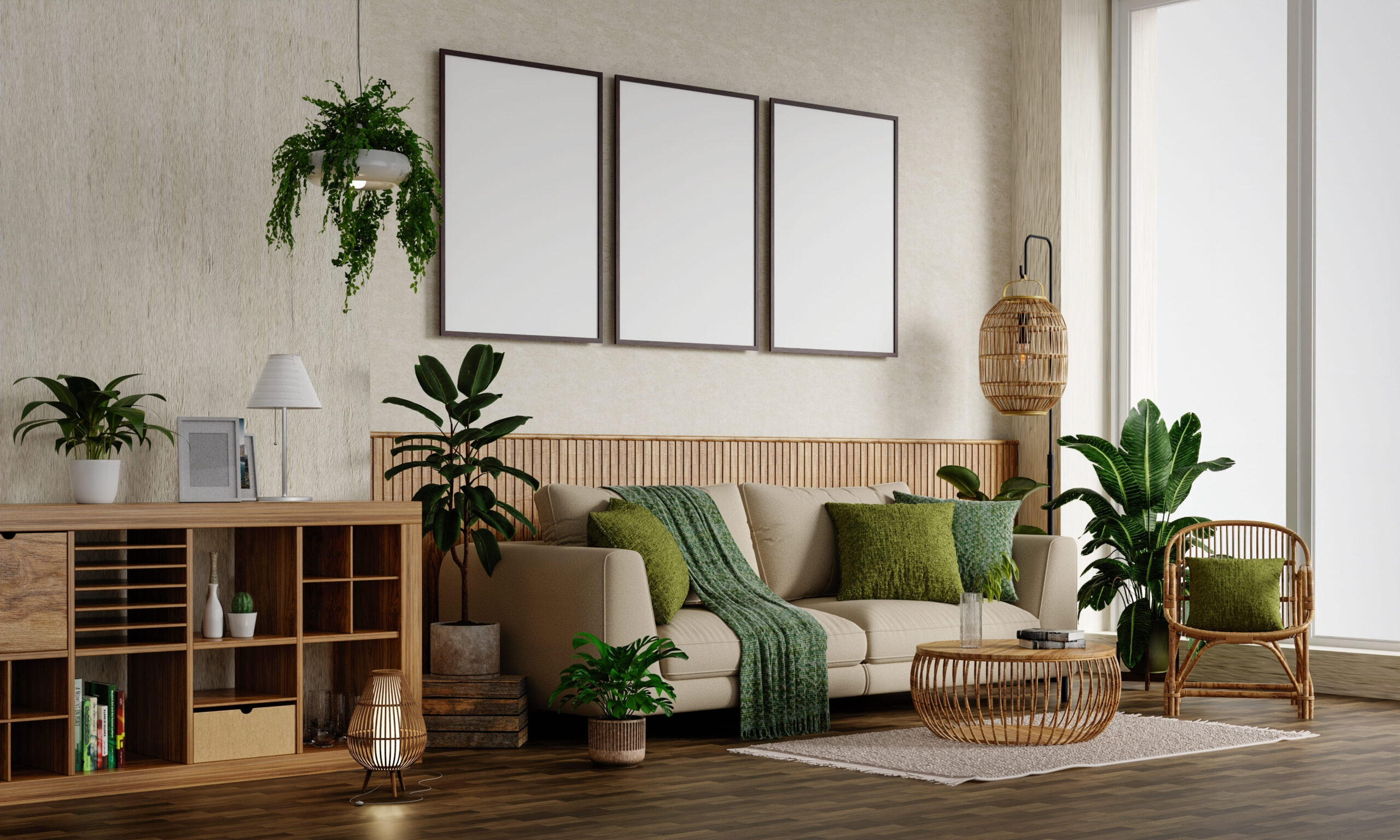
Creating an eco-friendly home is an act of curation. It is about stripping away the noise of disposable culture and inviting in textures that tell a story. Here is how we are redefining the modern sanctuary this year with a palette of green and gold.
1. The Grace of Bamboo
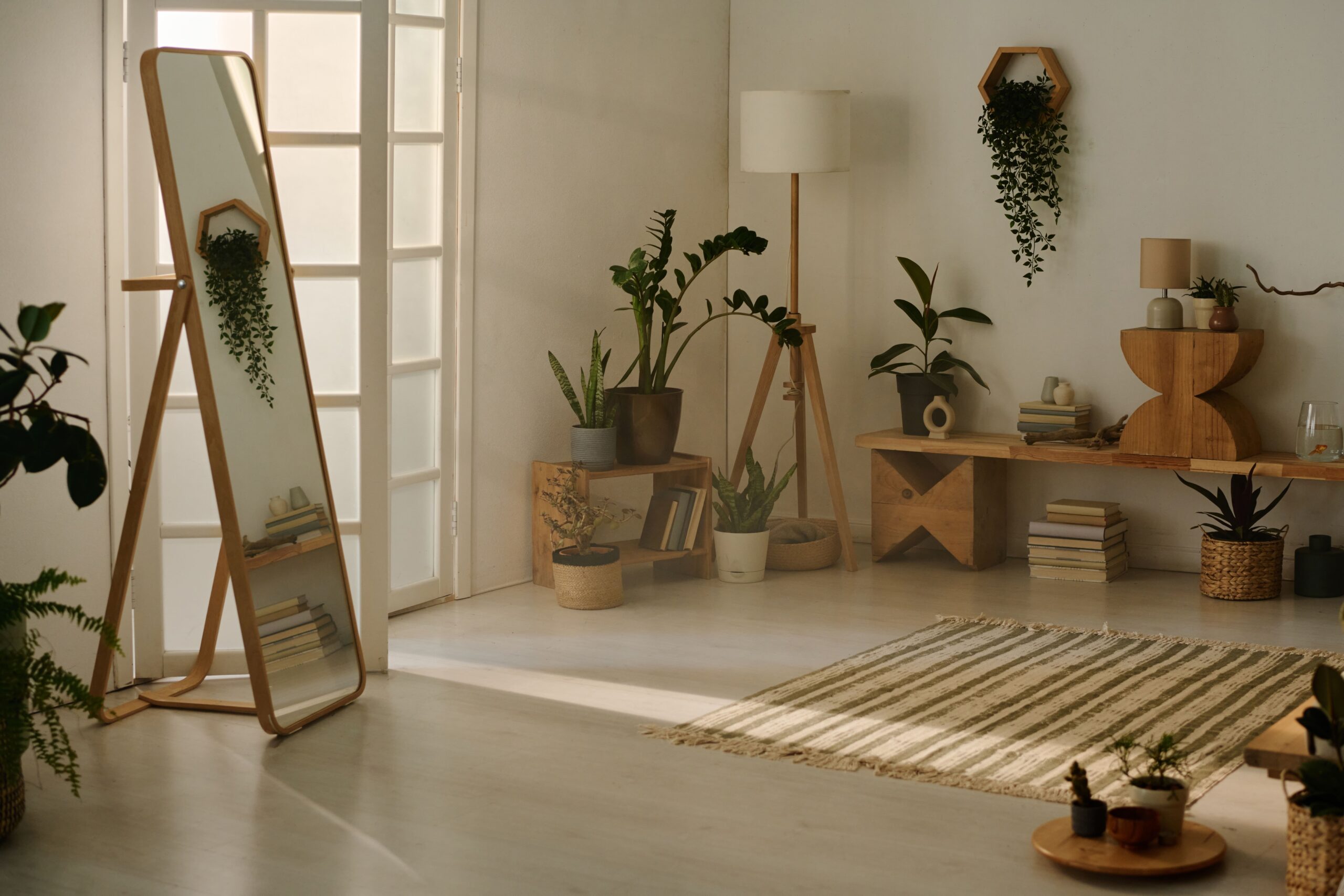
There is a poetic rhythm to the way bamboo grows. It is the fastest-growing grass on the planet, reaching toward the sun with incredible speed. In the world of sustainable materials, bamboo is a masterpiece of strength and flexibility.
In 2026, we are using bamboo to create sleek, architectural lines in kitchens and serene, spa-like textures in bathrooms. It carries a natural glow that brightens a room without a single watt of electricity. Choosing bamboo is a way to honor the earth while enjoying a surface that is tougher than most oaks.
2. Sculpting with Recycled Treasures
Beauty often hides in what others have cast aside. Using recycled materials is like giving a second life to a forgotten soul. Imagine a kitchen island topped with a terrazzo made from shattered sea glass, or a rug woven from ocean-bound plastics that feels as soft as wool.
Upcycling is where your personal style truly shines. A weathered barn beam becomes a mantlepiece that anchors a room. These pieces carry a history that new furniture simply cannot replicate. They turn your home into a living gallery of transformation.
3. Painting with Light
Light is the most powerful tool in a designer’s kit. To achieve a true low carbon interior design, we must look to the sun. Large, unobstructed windows act as living canvases, changing the mood of your home from the soft pinks of dawn to the deep ambers of dusk.
When the sun sets, we rely on the quiet efficiency of LEDs. These are not the flickering bulbs of the past. Today’s lighting is warm, dimmable, and intelligent. By using smart sensors, your home learns to breathe with you, illuminating only the paths you walk and conserving energy in the shadows.
4. The Breathable Home
A home should be a place where you can breathe deeply. Traditional paints often hide a cocktail of chemicals that linger in the air for years. To build a truly eco-friendly home, we look to the earth for our pigments.
Clay-based paints and lime washes offer a soft, chalky texture that adds depth to your walls. They are free from the harsh vapors of VOCs. When you walk into a room treated with natural finishes, the air feels lighter. It is a subtle luxury that protects your health and the environment simultaneously.
5. Curating for the Decades
The most sustainable choice is the one you only make once. We are seeing a beautiful return to heirloom quality. This means moving away from the “flat-pack” mentality and toward joinery that lasts a lifetime.
When you choose a table made from FSC-certified wood, you are supporting a forest that will continue to grow long after we are gone. Quality furniture develops a patina over time. It collects the scratches of family dinners and the sunlight of a thousand afternoons, becoming more beautiful with every passing year.
6. Living Walls and Biophilic Harmony
We are biological creatures, and we crave a connection to the wild. Biophilic design is the art of weaving nature into the very fabric of your home. It is the ultimate expression of sustainable interior design ideas.
Indoor gardens and moss walls do more than just look stunning. They act as the lungs of the house. They filter toxins and hum with a quiet, grounding energy. In 2026, we are designing homes that feel like gardens, where the boundary between the indoors and the outdoors is blissfully blurred.
7. The Fluidity of Water
Water is our most precious element, yet we often treat it as an infinite resource. A sophisticated home in 2026 treats water with reverence. We are installing sculptural faucets that use aerators to provide a full, rich flow while using half the water.
In the bathroom, we use dual-flush systems that are integrated into the architecture of the room. These elements of low carbon interior design are often invisible, but they are essential. True elegance is knowing that your lifestyle supports the planet’s vital cycles.
A Vision for Tomorrow
Designing a home is a journey toward balance. It is about finding the sweet spot where high-end aesthetics meet a low-impact lifestyle. By leaning into sustainable materials and mindful consumption, we create spaces that nourish us.
Your home is a reflection of your values. Let it be a place of healing, both for your family and for the earth. The trends of 2026 show us that we do not have to choose between a beautiful life and a healthy planet. We can have both.
FAQs
How do I start transitioning to a sustainable home?
Start with the things you touch every day. Change your linens to organic fibers and swap your cleaning products for non-toxic versions. From there, look at larger investments like furniture and flooring.
Why is bamboo considered better than wood?
Bamboo can be harvested every three to five years, whereas hardwood trees can take decades to mature. This makes bamboo a much more renewable resource for sustainable materials.
What does low VOC actually mean?
VOC stands for Volatile Organic Compounds. These are gases emitted by certain solids or liquids. Low VOC products have fewer of these harmful chemicals, which improves your indoor air quality significantly.
Are recycled materials as durable as new ones?
In many cases, they are more durable. Recycled glass and plastic composites are engineered to withstand heavy use, and reclaimed wood has often already survived a century of wear.
Is biophilic design just about plants?
Not at all. It also includes using natural light, organic shapes, and materials like stone and wood. It is about creating a sensory experience that mimics the feeling of being in nature.